The Power of ‘No’: Why the Word You Fear Most Can Set You Free
“No doesn’t kill the deal. Your reaction to it does.”
Every “no” gets you one step closer to clarity.
Every “no” filters out time-wasters and tire-kickers.
Every “no” helps you find the real buyer who’s serious about change.
So stop chasing fake yeses. Start chasing real conversations.
Because when you stop being afraid of no, you start owning your results.
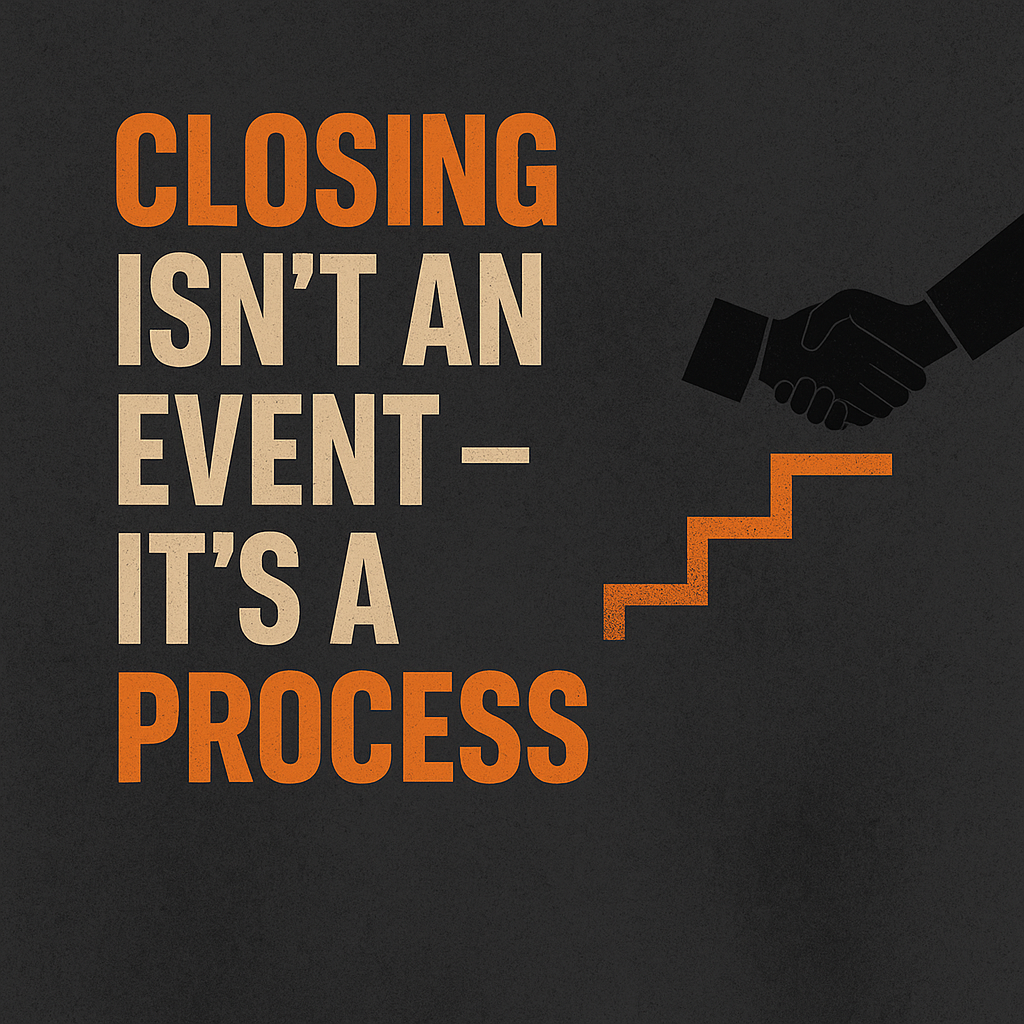
Closing Isn’t an Event — It’s a Process
“If you’re closing hard, you didn’t open right.”
There’s no magic line. No slick trick. No secret close.
The deal is built brick by brick — through trust, clarity, and confidence.
Stop trying to close harder. Start opening better.
Because when the process is right, the close becomes automatic.

Tactical Empathy: The Secret Weapon in Every Dealership
“Empathy isn’t weakness. It’s leverage.”
You can’t out-yell fear. You can’t out-argue insecurity.
But you can out-understand it.
So next time someone throws you an objection, don’t push back — lean in.
Read between the words. Label the emotion.
When they feel seen, they’ll follow your lead.
That’s not manipulation. That’s mastery.
Take Action. See Results
The One Thing Top Negotiators Always Do (and You Probably Don’t)
TASR Truth
“The calmest voice in the room controls the conversation.”
Control isn’t about aggression. It’s about presence.
It’s about being steady when everyone else gets emotional.
So next time a customer pushes back, remember this: you don’t need to fight for control — you just need to keep it.
Breathe. Listen. Pause. Let silence sell.
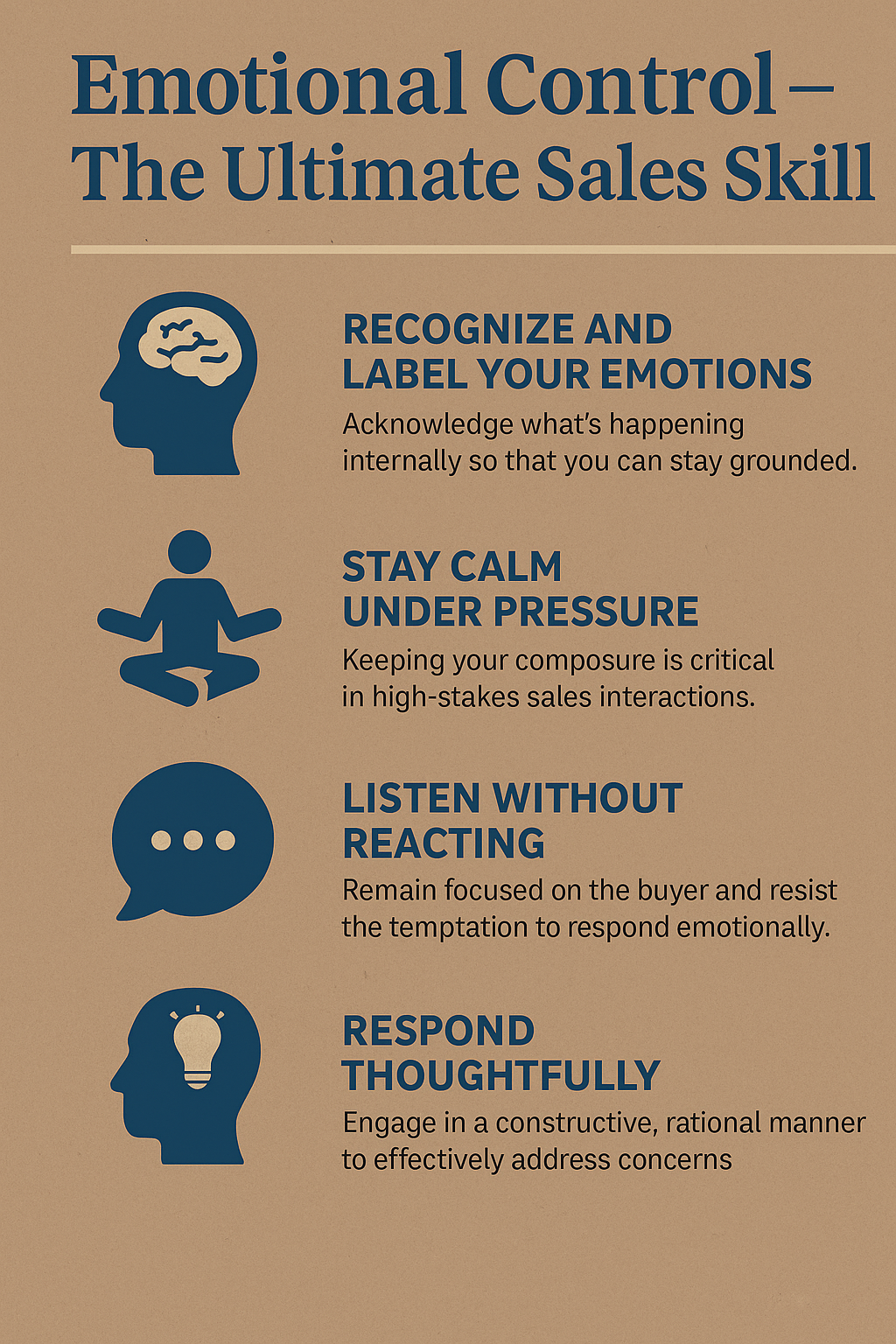
Emotional Control — The Ultimate Sales Skill
Pressure Exposes Weakness
We’ve all been there — the customer starts pushing back, questioning the price, or walking out mid-conversation.
Your stomach drops. Your tone tightens. Your confidence slips.
And the moment you react emotionally, you hand over control.
Top performers stay steady no matter what’s happening in front of them.
They can feel pressure without showing panic.
They can handle rejection without taking it personally.
They stay calm in chaos — and that’s what customers trust.

Why Discounts Don’t Close Deals — Clarity Does
“The moment you start defending your price, you’ve already lost your value.”
So don’t defend it — define it.
Your price is a reflection of your confidence, your clarity, and your ability to solve problems. If you don’t see your own worth, no one else will.
Stop discounting your price.
Stop discounting your work.
And for the love of progress, stop discounting yourself.
Take Action. See Results.
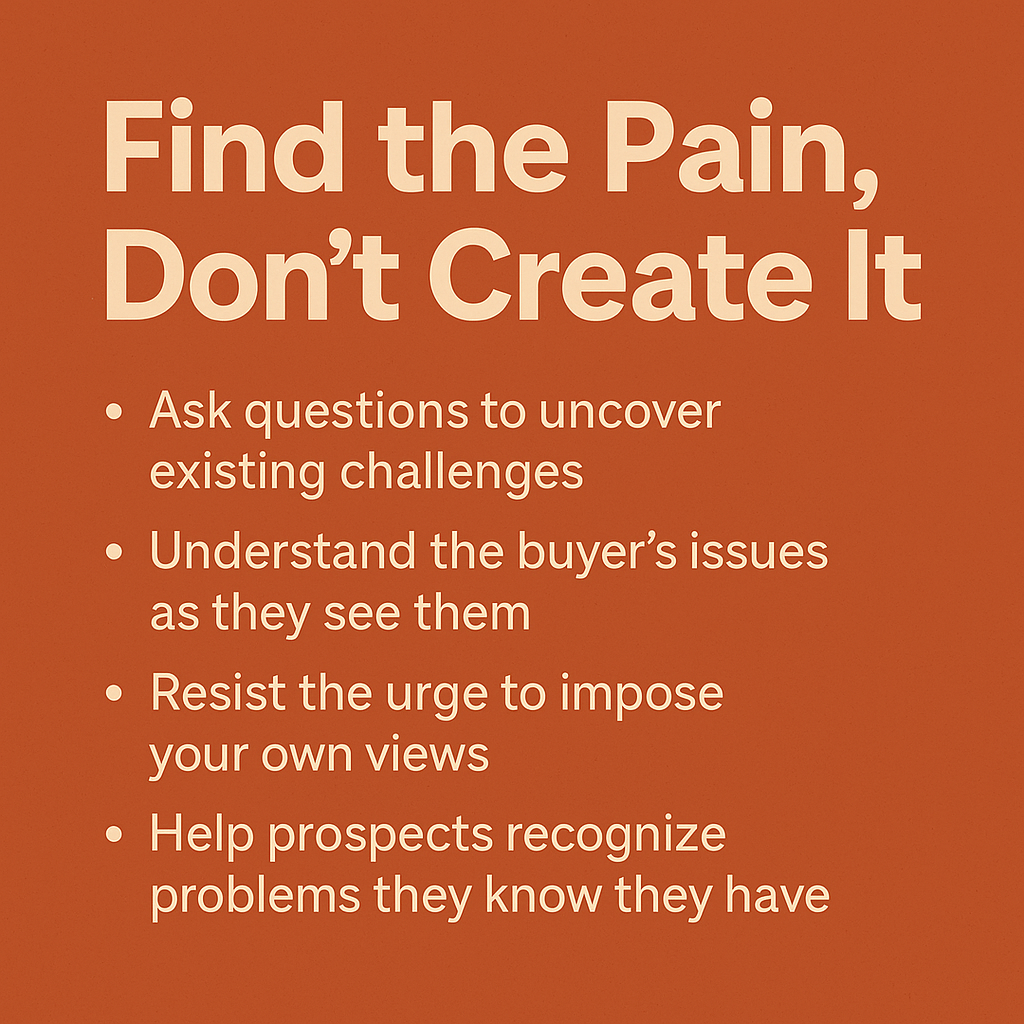
Find the Pain, Don’t Create It
You Can’t Fix What You Don’t Understand
If you really want to connect, you have to stop guessing and start listening.
Ask the real questions:
“What’s the hardest part about your current situation?”
“What’s making you want to change now?”
“If you could fix one thing about this experience, what would it be?”
Then shut up and listen.
Let them paint the picture — you just provide the frame.
Once they describe their pain in their own words, you have everything you need to guide them toward The Shift.
Stop Selling Products. Start Solving Problems.
TASR Truth
“If you want to sell more, stop talking about what you sell and start talking about what they need.”
That’s the real game.
The ones who win in sales aren’t the ones who talk the most — they’re the ones who listen better than anyone else.
So next time you’re sitting across from a customer, remember this: your product is just the vehicle. Their problem is the key. Find it, fix it, and watch what happens.
Take Action. See Results.
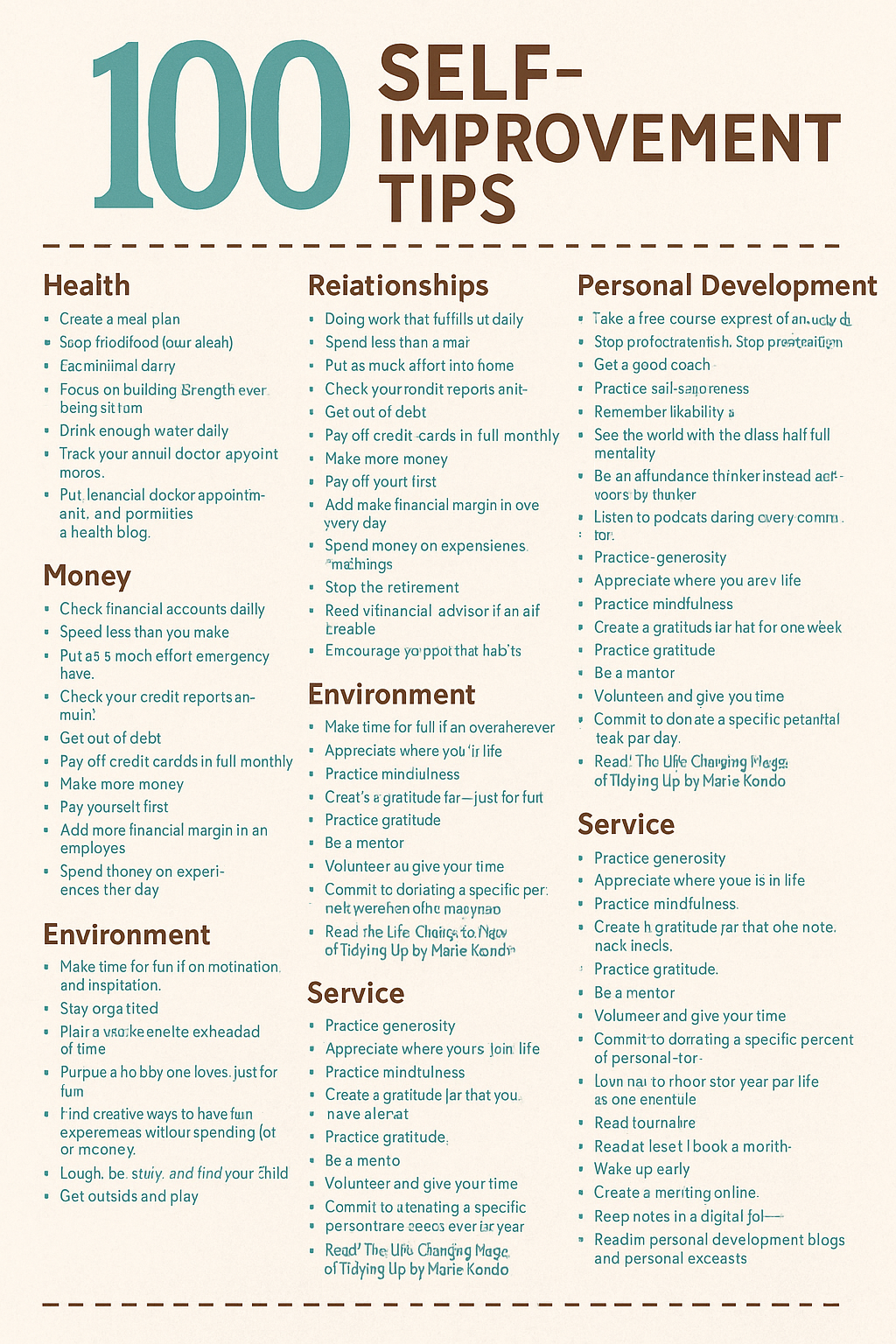
100 Self-Improvement Tips
Most people say they want to change. Few actually do.
This isn’t about motivation posters or “positive vibes.”
This is about action — habits that move the needle.
Below are 100 self-improvement tips I’ve learned through life, business, failure, and growth. They’re broken down into real-world categories: health, relationships, money, career, personal growth, fun, environment, and giving back.
If you actually apply these — not just read them — your life will look completely different a year from now.
The Hidden Math of Friendship: Why You Can Only Have So Many Close Friends (And Why That's Actually Perfect)
The Friendship You Actually Want
Here's the beautiful truth underneath all this science: Understanding your limits helps you build better relationships, not fewer.
When you stop trying to be close to dozens of people and focus on being truly present for a handful, those friendships become richer, deeper, more satisfying.
When you understand that close friendship requires 200+ hours and regular maintenance, you stop being surprised when casual connections don't automatically deepen. You invest the time intentionally, or you make peace with staying casual.
When you recognize that your brain literally synchronizes with close friends, you appreciate the profound gift of those relationships—and you protect them more carefully.
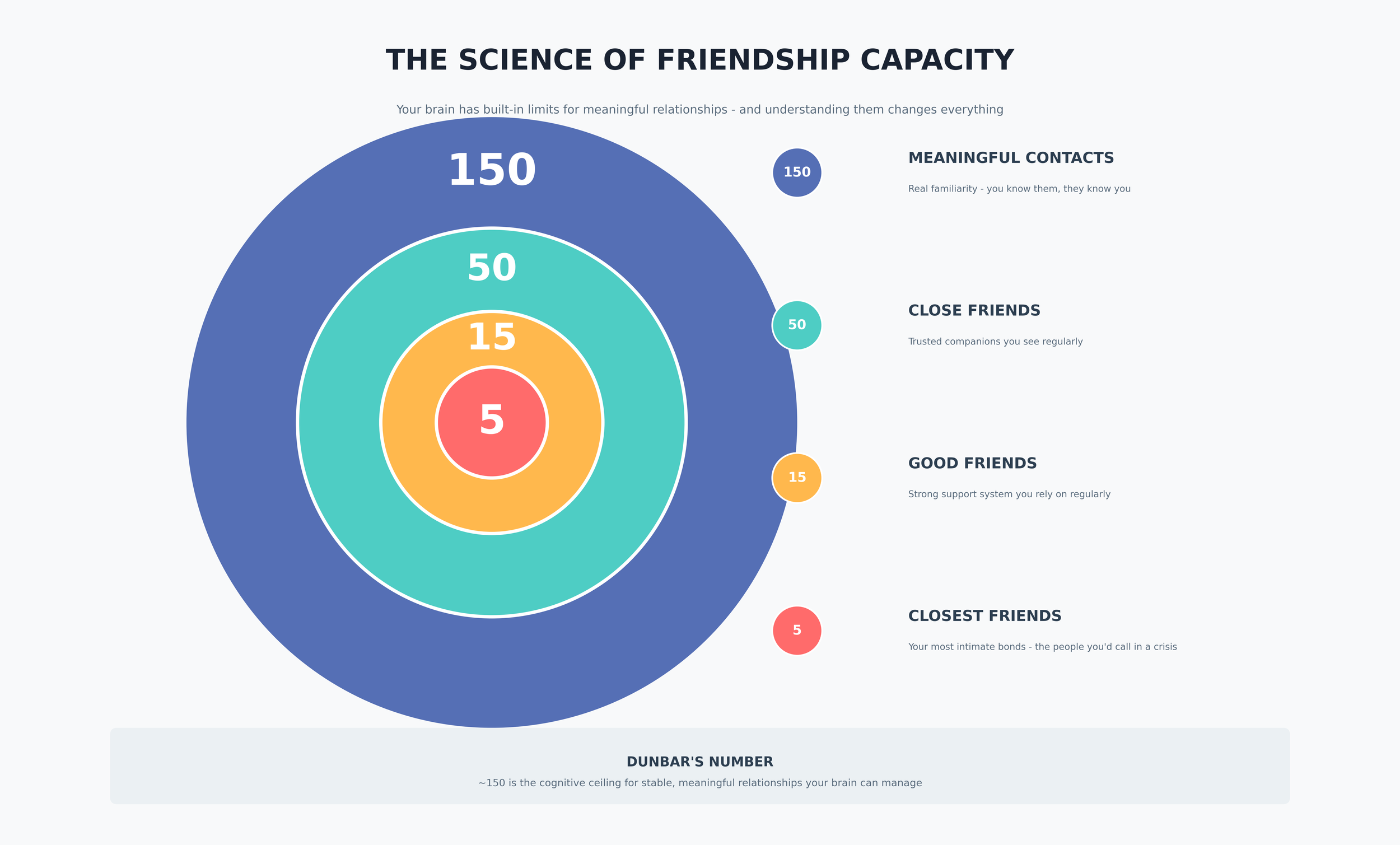
The number 150 isn't a limitation. It's a framework. It tells you how to allocate your most precious resource—your attention—in a way that actually works with your biology rather than against it.
You don't need 1,000 friends. You don't even need 150 close friends.
You need 5 people you can be completely yourself with. 15 people you trust and rely on. 50 people who enrich your life regularly. And a broader network of 150 who create a web of familiarity and connection.
That's not just enough. For a human brain, it's actually perfect.

Stop Winging It — Why Goals Without a Plan Are Just Daydreams
STOP WINGING IT - WHY GOALS WITHOUT A PLAN ARE JUST DAYDREAMS